Interior Design
How to Choose an Interior Designer in Kenya
A practical checklist of the questions worth asking before you appoint a designer or fit-out company for your home or business.
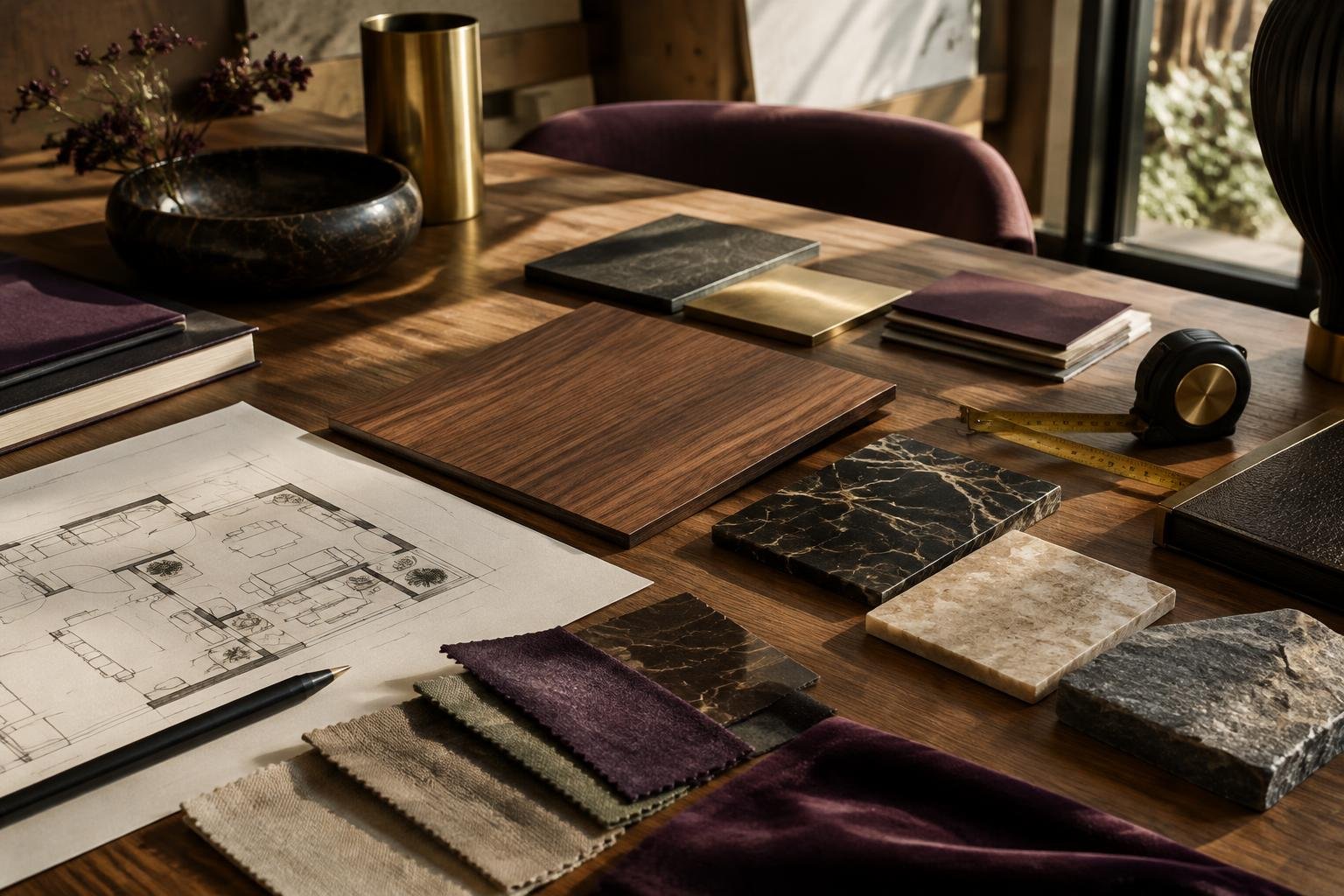
Choosing who to work with is one of the most important decisions in any interior project. The right team helps you make good decisions early, keeps the work coordinated and leaves you with a space that works as well as it looks. The steps below will help you compare options with confidence.
Define the type of project and the services you need
Start by describing the project in plain terms: what kind of space it is, roughly how large, and what you want to change. Then decide what help you need. Some clients want design only — layouts, finishes and drawings — and will appoint a contractor separately. Others prefer one company to handle design and execution together. Knowing which you want narrows the field quickly.
- Is it a home, an office, a shop, a restaurant or another commercial space?
- Do you need design, fit-out, joinery, or all of these?
- Is the space new, or an existing interior that needs renovation?
Review relevant previous work
Ask to see work that is similar to your project in type and scale. A beautiful residential portfolio does not necessarily mean experience with a busy retail fit-out, and the reverse is also true. Where possible, ask what the company was responsible for on each project — design, construction, joinery or coordination — so you understand exactly what you are looking at.
Ask who will manage design and execution
Find out who your day-to-day contact will be, who prepares the drawings, and who supervises work on site. If parts of the work are subcontracted, ask how those trades are coordinated. Clear responsibilities reduce the risk of gaps between design intent and what is built.
Discuss the budget and what it includes
Be open about your budget from the start. A good designer can tell you what is realistic and where the money is best spent. When you receive a proposal, check exactly what it covers: design fees, materials, furniture, joinery, electrical and mechanical works, permits, and site supervision. Two prices that look different may simply include different things.
Clarify timelines and decision-making
Ask for an outline programme showing the key stages: briefing, concept, detailed design, approvals, procurement, construction and handover. Agree how quickly you will need to make decisions, because delayed approvals are one of the most common causes of slow progress. If your business needs to keep operating during the works, raise it early.
Ask for a written scope and agreement
Before work begins, make sure the scope, deliverables, payment stages and responsibilities are written down and agreed by both sides. A clear written agreement protects you and the company, and makes it easier to resolve questions later.
Understand how changes and variations will be handled
Most projects change along the way. Ask how changes are requested, priced and approved, and how they affect the timeline. A simple, agreed process for variations helps avoid surprises at the end of the project.
Consider communication and practical fit
Finally, think about how comfortable you are working with the team. Do they listen to your brief? Do they explain options clearly? Do they respond promptly? An interior project can run for weeks or months, so good communication matters as much as design ability.
Start your search
When you are ready, browse the Interior Design Kenya directory to explore companies and the services they offer.